Free Menstrual Products Now Required in Manitoba Workplaces: What Employers Need to Know
As of September 1, 2026, new requirements under Manitoba’s Workplace Safety and Health Regulation are in effect, requiring provincially regulated employers to provide menstrual products to workers at no cost.
The change means Manitoba employers should ensure their workplace facilities and procedures have been updated to meet the new requirements.
For business owners, the change is relatively straightforward, but there are important details regarding where products must be available, who they must be provided for, and what employers can do when keeping products directly inside a washroom is not practical.
What Has Changed?
Provincially regulated employers in Manitoba are now required to make clean and hygienic menstrual products, including tampons and menstrual pads, available to their workers free of charge.
Employers must also ensure there is a covered disposal container near each toilet, regardless of gender.
These requirements build upon existing workplace washroom standards, which already require employers to maintain appropriate, clean and sanitary facilities for workers.
For construction sites, the requirements also apply to a prime contractor.
Who Must Have Access to the Products?
The requirement is specifically intended to ensure that workers have access to menstrual products.
For businesses where employees and customers use separate washrooms, employers are required to provide the products in the facilities designated for workers.
For example, a restaurant or retail business that has an employee-only washroom and separate facilities for customers would need to ensure the employee washroom complies with the new requirements.
Businesses may, of course, choose to make menstrual products available to customers or visitors as well, but the workplace requirement specifically relates to workers.
Where Should Menstrual Products Be Provided?
Generally, menstrual products should be available in workplace washrooms so workers can access them easily and privately.
However, Manitoba’s requirements recognize that this may not be practical in every workplace.
If providing menstrual products directly in the washroom is not reasonably practicable, employers can make them available somewhere else within the workplace.
When using an alternative location, employers should ensure that workers can access the products at all times and that the location provides a reasonable level of privacy.
This flexibility may be particularly important for businesses operating in older buildings, small facilities, shared spaces or workplaces where washrooms are also accessible to members of the public.
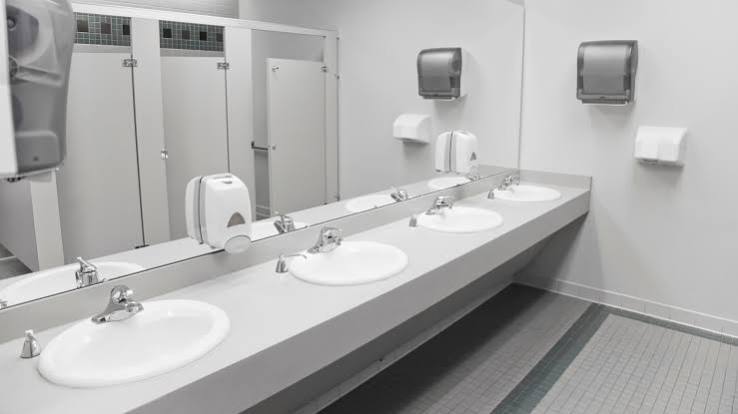
What Could an Alternative Location Look Like?
Depending on the workplace, an appropriate alternative could include a staff supply area, employee-accessible cabinet or another location where workers can obtain products discreetly.
Employers should consider whether the location:
- Is easily accessible to workers
- Provides sufficient privacy
- Remains accessible throughout working hours
- Allows supplies to be regularly monitored and replenished
- Does not create unnecessary barriers for employees who need the products
Workplaces where employees regularly work outdoors, drive between locations or spend significant amounts of time away from a central workplace may require a different approach.
The objective should be to make access practical, consistent and respectful.
Don't Forget About Disposal Containers
Providing menstrual products is only one part of the new requirements.
Employers are also required to provide a covered disposal container near each toilet, regardless of gender.
Businesses reviewing their facilities should therefore inspect all applicable employee washrooms rather than assuming the requirement only applies to washrooms traditionally designated for women.
This is an important part of preparing workplace facilities for compliance.
Keeping Products Available
Employers should also think beyond simply purchasing menstrual products once.
If products are required to be available to workers, businesses need a practical system for ensuring supplies do not run out.
Depending on the size of the workplace, this could be incorporated into existing washroom inspection, cleaning or supply procedures.
For example, an organization could assign responsibility for checking menstrual products alongside other workplace necessities such as toilet tissue and soap.
Larger organizations or businesses operating multiple locations may benefit from establishing a consistent process across all workplaces.
What Should Manitoba Employers Do Now?
Because the requirements came into effect on September 1, Manitoba employers should review their workplaces now if they have not already done so.
Businesses should consider taking the following steps:
- Inspect workplace washrooms and identify where menstrual products must be provided.
- Provide tampons and menstrual pads at no cost to workers.
- Ensure covered disposal containers are available near each toilet, regardless of gender.
- Create a restocking process to ensure products remain consistently available.
- Determine whether products can reasonably be provided inside washrooms.
- If necessary, identify an alternative location that provides employees with accessibility and reasonable privacy.
- Inform employees where products are available, particularly if they are being provided somewhere other than the washroom.
- Review each workplace separately if the business operates from multiple locations.
Employers should also ensure managers, facilities personnel and other employees responsible for workplace supplies understand the new requirements.
More Than a Compliance Requirement
Although the changes create another responsibility for Manitoba employers, providing menstrual products can also contribute to a workplace where employees have access to basic necessities when they need them.
Similar to providing toilet tissue, soap and appropriate disposal facilities, having menstrual products readily available helps ensure workers can access essential hygiene supplies while at work.
Implementation does not necessarily need to be complicated or costly. For many workplaces, compliance may involve establishing a small supply of products in employee washrooms and incorporating them into existing restocking procedures.
The important part is ensuring that products remain accessible, hygienic and available at no cost to workers.
Staying Informed as a Manitoba Business
Workplace requirements can change, and businesses need to understand how new regulations affect their responsibilities as employers.
The Black Manitobans Chamber of Commerce is committed to keeping Manitoba’s business community informed about regulatory developments and other changes that can affect businesses, entrepreneurs and employers.
With the new menstrual product requirements now in effect, employers are encouraged to review their facilities and workplace procedures to ensure they are meeting their obligations.
Businesses that are uncertain about how Manitoba’s workplace safety and health requirements apply to their particular circumstances should consult the applicable regulations or seek qualified legal, human resources or workplace safety advice.
This article is intended for general informational purposes only and does not constitute legal advice. Requirements may vary depending on the workplace and individual circumstances.
Phone: +1-888-973-8403
Email: info@bmbcc.ca
Be the first one to receive latest updates.
 EN
 FR